When investors look at Indonesia, Bali is often the first destination that comes to mind. Yet behind the scenes, the Indonesian government has been implementing one of Southeast Asia’s most ambitious economic development strategies: the creation of Special Economic Zones (SEZs), known locally as Kawasan Ekonomi Khusus (KEK).
These government-backed zones are designed to attract international investment, accelerate infrastructure development and create new economic hubs across the archipelago. For property investors, they also provide valuable insight into where future demand is likely to emerge.
Two of the most exciting examples are Sanur in Bali and Mandalika in Lombok. While each has a different focus, both benefit from substantial public investment, long-term planning and increasing international attention – key ingredients for a strong real estate market.
What Is a Special Economic Zone?
A Special Economic Zone is a designated area where businesses receive incentives to encourage investment and economic growth. Depending on the sector and location, these benefits may include:
- Corporate tax holidays and tax reductions
- Exemptions from import duties and VAT on qualifying activities
- Streamlined licensing through one-stop investment services
- Easier customs procedures
- Simplified immigration and employment processes for eligible businesses
The objective is not simply to offer tax advantages. Indonesia uses SEZs to develop strategic industries, improve regional infrastructure and stimulate sustainable economic growth beyond the country’s traditional commercial centres.
Today, Indonesia has more than twenty Special Economic Zones focusing on sectors such as tourism, healthcare, manufacturing, logistics, digital technology and education.
Why Did Indonesia Introduce Special Economic Zones?
Indonesia is made up of more than 17,000 islands. Historically, much of its economic activity has been concentrated on Java, particularly Jakarta.
To encourage more balanced development, the government launched the SEZ programme to:
- Attract foreign direct investment (FDI)
- Create skilled employment opportunities
- Diversify regional economies
- Improve infrastructure
- Promote international tourism
- Encourage innovation and technology
- Increase exports and strengthen Indonesia’s global competitiveness
Rather than allowing growth to occur organically, Indonesia has chosen to guide investment towards locations with strong long-term potential.
For real estate investors, this creates an important advantage: government infrastructure spending often comes before significant increases in private investment and property demand.
Where Are Indonesia’s Special Economic Zones?
Indonesia’s SEZs are spread throughout the country, each with its own economic focus.
Some of the most prominent include:
- Sanur (Bali) – Health and Medical Tourism
- Kura Kura Bali – Sustainable Tourism, Education and Innovation
- Mandalika (Lombok) – Tourism and Hospitality
- Likupang (North Sulawesi) – Tourism
- Lido (West Java) – Entertainment and Tourism
- Nongsa Digital Park (Batam) – Digital Economy
- Kendal (Central Java) – Manufacturing
- Sei Mangkei (North Sumatra) – Industrial Processing
- Gresik (East Java) – Heavy Industry and Manufacturing
Each zone has been selected because of its strategic location and natural economic strengths.
Sanur: Bali’s Healthcare and Wellness Hub
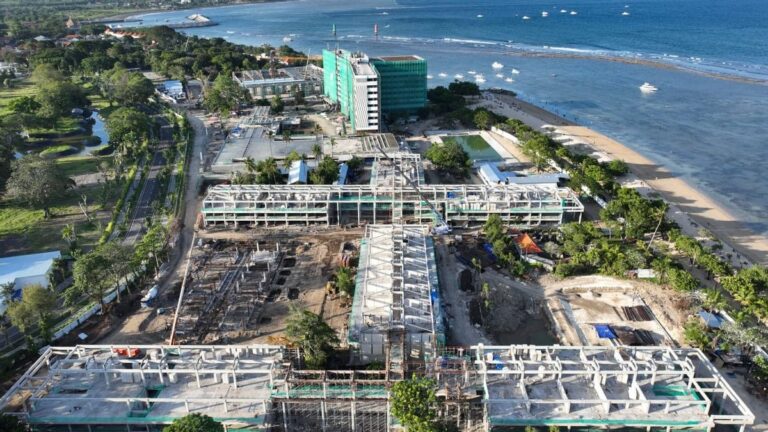
For decades, Sanur has been known as one of Bali’s most established residential and beachfront communities. Wide promenades, calm beaches and a relaxed atmosphere have made it especially popular with families, retirees and long-stay visitors.
With the establishment of the Sanur Special Economic Zone, the area is entering a new phase of development.
The government’s vision is to transform Sanur into an internationally recognized destination for healthcare and medical tourism. Major investments include:
- International-standard hospitals
- Specialist medical centres
- Rehabilitation facilities
- Medical research institutes
- Healthcare education campuses
- Wellness resorts
- Hotels and supporting commercial developments
The goal is twofold: reduce the number of Indonesians seeking treatment overseas while attracting international patients looking for high-quality healthcare combined with Bali’s renowned hospitality and wellness offerings.
Why This Matters for Property Investors
Medical tourism creates demand that differs from traditional holiday tourism.
Instead of short-term visitors, Sanur is expected to attract:
- Doctors and healthcare professionals
- Medical specialists
- Researchers
- Long-stay patients
- Families accompanying patients
- Business travellers
- Wellness tourists
This supports demand for:
- Luxury villas
- Serviced apartments
- Long-term rental properties
- Boutique hotels
- Commercial premises
- Retail and lifestyle developments
Unlike seasonal tourism markets, healthcare generates year-round activity, creating a more stable environment for property owners and investors.
Mandalika: Lombok’s World-Class Tourism Destination
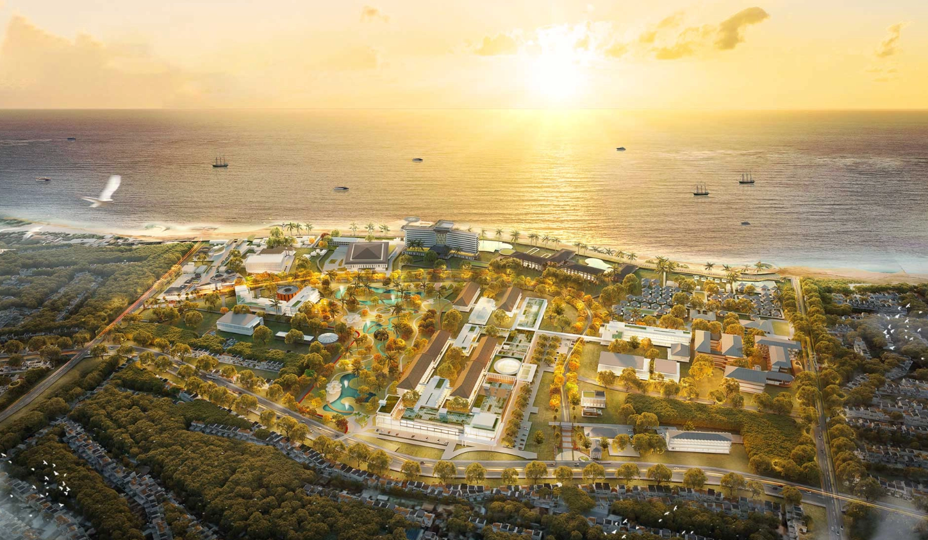
Located on Lombok’s stunning southern coastline, Mandalika is one of Indonesia’s flagship tourism projects.
The government has invested heavily in transforming the region into an international destination that complements rather than competes directly with Bali.
Major developments already completed include:
- Significant road infrastructure
- Improved access from Lombok International Airport
- Hotels and luxury resorts
- Beach clubs
- Public facilities
- Utilities and supporting infrastructure
- The internationally renowned Pertamina Mandalika International Circuit, home to MotoGP and other global motorsport events
These investments have dramatically increased Mandalika’s international profile while encouraging further private sector development.
Why Real Estate Investors Are Watching Mandalika
History consistently shows that infrastructure investment is one of the strongest drivers of long-term property appreciation.
As accessibility improves and tourism expands, demand increases for:
- Holiday villas
- Boutique resorts
- Branded residences
- Hospitality developments
- Commercial real estate
- Retail and food & beverage concepts
Compared with more mature destinations, Mandalika remains in the earlier stages of its growth cycle, giving investors the opportunity to enter the market before development reaches full maturity.
The Investment Advantage of Government-Led Development
One of the biggest challenges in real estate investing is identifying tomorrow’s high-demand locations before prices fully reflect their potential.
Special Economic Zones offer a valuable indicator because they combine:
- Long-term government commitment
- Infrastructure investment
- Private sector participation
- Employment growth
- International marketing
- Regulatory support
These factors typically create stronger demand for housing, hospitality and commercial property over time.
While no investment is guaranteed, areas backed by sustained public investment generally have stronger long-term fundamentals than locations growing without strategic planning.
Looking Ahead
Indonesia’s Special Economic Zones are transforming the country’s investment landscape.
For real estate investors, they highlight where infrastructure, employment, tourism and economic activity are expected to grow over the coming years.
Sanur is evolving into Southeast Asia’s premier healthcare and wellness destination, creating stable year-round demand for residential and hospitality property.
Mandalika is establishing itself as Indonesia’s next international tourism hub, supported by world-class infrastructure and global events that continue to attract visitors and investment.
For those considering investing in Bali or Lombok real estate, understanding the government’s long-term vision is essential. Markets supported by infrastructure, policy and strategic planning often provide the strongest foundations for sustainable capital growth and rental demand.
At Homes in Asia, we closely monitor these developments to help our clients identify opportunities before they become mainstream. Whether you’re looking for a holiday home, a rental investment or a long-term lifestyle purchase, understanding where Indonesia is investing today can help you make better decisions for tomorrow.